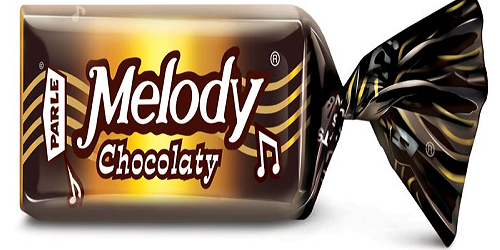
The Melody Effect
How a Rs 1 toffee broke the internet, crashed the wrong stock, and sold out every quick-commerce app in India — in a single afternoon.
On May 20, 2026, Prime Minister Narendra Modi gifted a packet of Parle Melody to Italian PM Giorgia Meloni. The video crossed 100 million views. Melody sold out nationwide. The wrong company's stock hit its upper circuit. And a 43-year-old tagline that never answered its own question suddenly became the most talked-about line in Indian advertising. This is the full story of Parle Products, its candy empire, the Melody phenomenon, and the marketing lessons hidden inside the #Melodi moment.
No agency pitched this. No brief was written. No mood board was made. No media plan existed. On May 20, 2026, Prime Minister Narendra Modi reached into what we can only imagine was a very deliberate pocket at Villa Doria Pamphili in Rome, pulled out a packet of Parle Melody toffees, and handed it to Italian Prime Minister Giorgia Meloni. She held up the candy, smiled, and said on camera: "Prime Minister Modi gave me as a gift — a very, very good toffee." She posted the video on X with the caption: "Thank you for the gift." That is it. That is the campaign.
The #Melodi meme was already old by the time it became real. For three years, the internet had been doing what the internet does — finding a pun, running it into the ground, finding it funny again. Modi. Meloni. Melody. The joke practically wrote itself. The COP28 selfie in December 2023 (captioned "#Melodi" by Meloni herself, 16 million views). The G7 Summit video in June 2024 ("Hello from the #Melodi team," 13 million views). The diplomatic friendship was already content. But memes live on screens. What Modi did was pull the meme into the physical world. He made the internet joke real — and he did it with a ₹1 toffee.
-->
What happened next was unprecedented: Melody sold out across every major quick-commerce platform in India within hours. Blinkit, Zepto, Swiggy Instamart, BigBasket, JioMart — across Delhi, Mumbai, Bengaluru, Noida, Gurugram, Mohali — the sub-₹1 toffee vanished from digital shelves. Blinkit confirmed a sudden spike in in-app searches for "Melody" directly linked to the viral moment. Social media filled with screenshots of out-of-stock pages. The diplomatic moment had done what decades of advertising could not manufacture on demand: a nationwide scramble for a toffee that costs less than a rupee.
Parle Products, clearly caught off-guard, responded beautifully. The company posted on X: "Sweetening relationships since 1983." Then a thank-you card for PM Modi: "for taking Parle Melody to the global stage. A proud moment for all of us at Parle Products." Mayank Shah, VP at Parle Products, told media: "We expect growth to accelerate. It is the largest toffee brand in India, and the kind of growth you would be seeing would be huge." When asked about price increases, he was categorical: "We are not going to increase prices."
"The diplomatic moment had done what decades of advertising could not manufacture on demand: a nationwide scramble for a toffee that costs less than a rupee."— BusinessToday, May 20, 2026
02 — Comedy of ErrorsWhen Investors Bought the Wrong Parle
Within hours of the video going viral, something absurd happened on Dalal Street. Shares of Parle Industries Limited (BSE: 532911) hit the 5% upper circuit, trading at ₹5.25 with a 3x surge in trading volume — 721,996 shares traded. Social media was buzzing. Retail investors piled in. There was just one problem: Parle Industries has absolutely nothing to do with Melody, Parle-G, Mango Bite, or any candy whatsoever.
| Parle Products (Melody maker) | Parle Industries (BSE: 532911) | |
|---|---|---|
| Business | Biscuits, confectionery, snacks | Infrastructure, real estate, paper waste recycling |
| Revenue | Rs 18,200 crore (FY25) | Rs 41.8 million |
| Listed? | No. Private company. Cannot buy shares. | Yes. BSE listed. ₹5.25/share |
| Market Cap | — (unlisted) | Rs 240 million (~Rs 24 crore) |
| Employees | 408+ (as of Aug 2025) | 9 |
| Connection to Melody | Manufacturer since 1983 | Zero. None. Zilch. |
| 1-year stock return | — | -68% (even after the 5% bump) |
The two companies share a name and nothing else. The confusion stems from the original Chauhan family split. The Parle brand, founded in 1929, was eventually divided among three family factions into three separate, independent companies. Parle Products (led by Vijay, Sharad and Raj Chauhan) makes Parle-G, Melody, Monaco, KrackJack, Hide & Seek, Mango Bite, and Poppins. Parle Agro (led by Prakash Chauhan and daughters) makes Frooti, Appy Fizz, and Bailley water. Parle Bisleri (led by Ramesh Chauhan) makes Bisleri packaged water. None of these three are listed on any stock exchange. Parle Industries, the listed entity, is an entirely separate company with no connection to any of them.
Investor Warning: This is a textbook case of name-driven retail confusion — the kind of misinformed penny-stock pump that the Indian market produces every time a brand goes viral and a listed entity with a similar name exists. The stock was already down 68% over the past 12 months before this accidental bump. It is like buying shares in "Apple Hospitality" because Tim Cook launched a new iPhone. Same name. Zero connection. If you bought Parle Industries thinking you were investing in Melody, you were not.
03 — From a Cattle Shed to an EmpireParle Products — 97 Years of Candy, Biscuits, and Quiet Dominance
In 1929, in what was then British India, the Chauhan family acquired an acre-and-a-half of land in Irla village (now Vile Parle, Mumbai). They built a factory inside a cattle shed — 40 feet wide, 60 feet long — and hired 12 men from the village. The family was so busy playing engineers, mechanics, and confectioners simultaneously that they forgot to name the factory. The name "Parle" came simply from the locality. The first products? Orange candies, toffees, boiled sweets, and acid pops. Confectionery was the original business. Biscuits came a decade later.
That cattle shed is now a ₹18,200 crore empire with the world's largest selling biscuit brand (Parle-G), a confectionery portfolio contributing roughly ₹1,000 crore (12% of revenue), and distribution reaching every single village in India through 14 million kirana stores. Parle Products has 10 company-owned manufacturing units and 75 contract manufacturing units. It holds roughly 40% of the Indian biscuit market and 15% of the confectionery market. And it has done all of this while remaining privately held. When asked about listing, Mayank Shah confirmed in May 2026: "Not on the cards currently."
04 — The Tagline That Never Needed an Answer"Melody Itni Chocolaty Kyun Hai?" — A 43-Year Marketing Case Study
When Melody launched in 1983, the eclair/toffee category was dominated by Cadbury Eclairs. Both products had the same fundamental structure: caramel exterior, chocolate core. Parle could not outspend Cadbury. So it did something far more clever: it outsmarted the competition with the most elegant piece of advertising strategy India has ever produced.
Everest Advertising was not asked to describe the product. It was asked to differentiate it — subtly, memorably, and within the constraints of an extremely price-sensitive category. The solution lay not in explanation but in curiosity. Copywriter Sulekha Bajpai came up with the line while sitting in Parle's reception area. The concept: "Melody ke andar itni chocolate kaise bhari... Melody khao, khud jaan jao." A question. And a non-answer.
🍫 Melody · Parle Products · Since 1983
India's Largest Toffee BrandThe Art of the Unanswered Question
Melody's advertising built situations, not stories. Every TV commercial followed the same structure: two people, one asks "Melody itni chocolaty kyun hai?", the other has no answer, pops a Melody, and responds with "Melody khao, khud jaan jao." The genius is that the tagline turns every consumer into a brand ambassador. Every time someone asks the question, the only response is to buy the product. The advertising is self-perpetuating. Generations of children grew up genuinely wondering why Melody was so chocolaty — and the only way to participate in the cultural conversation was to eat one. The chocolate was not hidden inside the toffee. It was visible at the edges, oozing out, creating a visual cue that made the question feel earned.
The Advertising Trick: Most taglines make a claim. "Thanda matlab Coca-Cola." "Har ghar ki zaroorat." "Daag acche hain." Melody's tagline did something different: it asked a question and refused to answer it. This created what psychologists call a Zeigarnik Effect — the human brain's tendency to remember unfinished tasks better than completed ones. By leaving the question open, Melody made itself unforgettable. The tagline essentially hijacked a cognitive bias to sell chocolate toffees for 43 years.
05 — Beyond MelodyThe Full Parle Confectionery Portfolio — 97 Years of Indian Candy
While Melody is having its global moment, it is worth remembering that Parle Products commands one of the deepest confectionery portfolios in India — a collection of brands that maps the evolution of Indian candy taste over nine decades. Each brand occupies a distinct slot in the market, and each tells a different story about Indian consumer preferences.
What makes Parle's confectionery play unique is that it rides on the biscuit distribution backbone. The same trucks that deliver Parle-G to 14 million kirana stores also stock the Melody jar, the Mango Bite jar, the Poppins tube. That is a distribution moat that no pure-play confectionery brand can replicate. Perfetti Van Melle reaches 4 million outlets. Parle reaches 14 million. The candy business is not the revenue leader, but it benefits from infrastructure that a ₹1,000 crore standalone candy company could never afford to build.
06 — 97 Years and CountingHow Parle Keeps Its Candy Portfolio Alive in a Market That Changes Every Year
In a market where Perfetti Van Melle launches new flavour variants every quarter and DS Group's Pulse disrupts entire categories, how does a 97-year-old company with brands from the 1960s stay relevant? Parle's playbook is quieter but deceptively effective.
The Parle Relevance Playbook
- Desi flavour innovation, not Western imports. While others chase international formats, Parle launches Gol Gappa Candy, Kapi Candy (South Indian coffee), Kaccha Mango Bite. Every new SKU is rooted in an Indian taste memory
- Price discipline above all. Parle has never abandoned the ₹1 price point for its core candy range. When raw material costs rise, Parle reduces grammage rather than raising price. The ₹1 coin is sacred
- Nostalgia as brand equity. Kismi, Poppins, and Melody do not need relaunches. They need to simply exist on the kirana counter. Three generations of Indians have emotional associations with these brands. That is an asset money cannot buy
- Distribution as competitive moat. 14 million outlets is not a distribution network. It is an economic barrier to entry. No new candy brand, however innovative, can match this reach without spending hundreds of crores
- Silent scale. ₹18,200 crore in revenue, 40% biscuit market share, 15% confectionery share — and deliberately unlisted. No quarterly earnings pressure. No activist shareholders. Parle invests on 10-year cycles, not quarter-to-quarter
- Letting the internet do the marketing. The #Melodi moment was not created by Parle. It was created by the internet, by a PM with media instincts, and by a meme that had been building for three years. Parle's role? Simply existing for 43 years with a tagline good enough to become the punchline
The Kirana Counter Test: Walk into any kirana store in India — any state, any town, any village. You will find a glass jar of Melody or Mango Bite on the counter. That unbroken, 97-year distribution presence is what separates Parle from every other candy brand in the country. Pulse took 3 years to reach 3.5 million outlets. Parle reaches 14 million. That is not a head start. That is a different race entirely.
07 — What Every Marketer Should Take AwaySeven Lessons From the #Melodi Moment and the Parle Candy Playbook
Lesson 1: Cultural Readiness Beats Media Planning
The #Melodi meme existed for three years before Modi made it real. He did not create the moment — he cashed in on cultural energy that was already there. The lesson for brands: monitor the internet's jokes about you. They are your next campaign. The candy was the punchline to a joke the internet had been telling itself since COP28 in 2023.
Lesson 2: The Best Branding Moments Are Unscripted
No agency pitched this. No brief was written. No mood board existed. Parle confirmed it had no idea this was coming. Yet it generated more reach (100M+ views in hours) than any paid confectionery campaign in Indian history. The implication: invest in making your brand culturally available, not just media-available. When the moment comes — and it will come if your brand is embedded deeply enough in culture — no media plan can match it.
Lesson 3: Quick Commerce Is the New Impulse Aisle
The fact that Melody sold out on Blinkit, Zepto, and Instamart — not kirana stores — is the real story. Viral consumer demand now flows through quick-commerce first. Any candy brand not optimising for q-commerce search is missing the new impulse purchase. The q-commerce shelf is where memes convert to sales in 2026.
Lesson 4: A 43-Year-Old Tagline Is Still Your Best Asset
"Melody itni chocolaty kyun hai?" was written in 1983. In 2026, it was the first thing every headline referenced. Kill your tagline rotation. Commit for decades. Consistency is not boring — it is compounding. Every year the tagline survives, it becomes harder for competitors to dislodge.
Lesson 5: Staying Private Is a Competitive Advantage
Parle Products generates ₹18,200 crore in revenue without quarterly earnings calls, analyst consensus targets, or activist shareholders. It can invest on 10-year cycles. It can absorb raw material cost increases by adjusting grammage instead of panicking about margin compression. The #Melodi moment proved that you do not need a stock ticker to be culturally relevant.
Lesson 6: Distribution IS the Product at ₹1
At the ₹1 price point, the product cannot carry the cost of its own marketing. Distribution becomes the marketing. The glass jar on the kirana counter IS the billboard. The truck route IS the media plan. Parle's 14 million outlet reach means Melody is available everywhere a consumer could possibly have the impulse to buy it. Availability is awareness at ₹1.
Lesson 7: Diplomacy Can Be the Ultimate Brand Activation
No expensive state gift has ever earned India this much global attention in a single day. A ₹1 toffee outperformed ceremonial gold, silk, and art. The lesson for brand strategists working with government or institutional partners: small, culturally resonant gestures beat grand ones. The message was not in the gift. It was in the choice of gift. Everyone understood the joke. Everyone participated.
Melody Khao, Khud Jaan Jao
Parle Products is not flashy. It does not hold press conferences announcing quarterly results. It does not participate in Cannes or Effie award circuits. It does not have a viral social media team or a trend-jacking strategy. It makes biscuits and toffees in factories across India, distributes them to 14 million stores, prices them so that every Indian can afford them, and goes home.
And then one afternoon in May 2026, a Prime Minister pulled a Melody out of his pocket in Rome, the internet lost its mind, quick-commerce shelves emptied, the wrong stock surged, and a 43-year-old tagline trended worldwide. And Parle Products did what it has always done: it stayed quiet, said thank you, and kept making toffees.
That is the most Parle thing possible. And in a world of manufactured virality, algorithmic reach, and planned spontaneity, there is something deeply reassuring about a brand that succeeds not because it tried to go viral — but because it had been sitting on every kirana counter in India for 97 years, waiting for its moment.
"Melody itni chocolaty kyun hai?" — After 43 years, the whole world finally wants to know.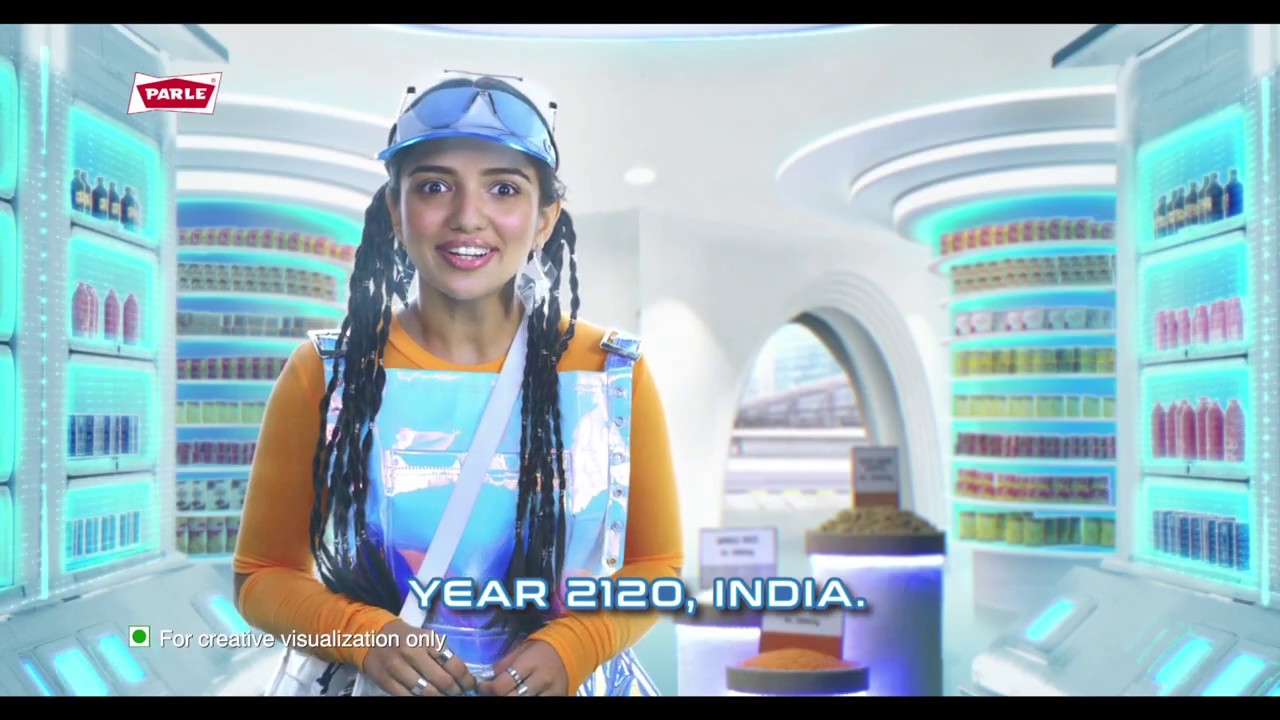
Parle Melody · "Melody Itni Chocolaty Kyun Hai?" · Watch on YouTube
The Advertising Trick: Most taglines make a claim. "Thanda matlab Coca-Cola." "Har ghar ki zaroorat." "Daag acche hain." Melody's tagline did something different: it asked a question and refused to answer it. This created what psychologists call a Zeigarnik Effect — the human brain's tendency to remember unfinished tasks better than completed ones. By leaving the question open, Melody made itself unforgettable. The tagline essentially hijacked a cognitive bias to sell chocolate toffees for 43 years.
05 — Beyond MelodyThe Full Parle Confectionery Portfolio — 97 Years of Indian Candy
While Melody is having its global moment, it is worth remembering that Parle Products commands one of the deepest confectionery portfolios in India — a collection of brands that maps the evolution of Indian candy taste over nine decades. Each brand occupies a distinct slot in the market, and each tells a different story about Indian consumer preferences.
What makes Parle's confectionery play unique is that it rides on the biscuit distribution backbone. The same trucks that deliver Parle-G to 14 million kirana stores also stock the Melody jar, the Mango Bite jar, the Poppins tube. That is a distribution moat that no pure-play confectionery brand can replicate. Perfetti Van Melle reaches 4 million outlets. Parle reaches 14 million. The candy business is not the revenue leader, but it benefits from infrastructure that a ₹1,000 crore standalone candy company could never afford to build.
06 — 97 Years and CountingHow Parle Keeps Its Candy Portfolio Alive in a Market That Changes Every Year
In a market where Perfetti Van Melle launches new flavour variants every quarter and DS Group's Pulse disrupts entire categories, how does a 97-year-old company with brands from the 1960s stay relevant? Parle's playbook is quieter but deceptively effective.
The Parle Relevance Playbook
- Desi flavour innovation, not Western imports. While others chase international formats, Parle launches Gol Gappa Candy, Kapi Candy (South Indian coffee), Kaccha Mango Bite. Every new SKU is rooted in an Indian taste memory
- Price discipline above all. Parle has never abandoned the ₹1 price point for its core candy range. When raw material costs rise, Parle reduces grammage rather than raising price. The ₹1 coin is sacred
- Nostalgia as brand equity. Kismi, Poppins, and Melody do not need relaunches. They need to simply exist on the kirana counter. Three generations of Indians have emotional associations with these brands. That is an asset money cannot buy
- Distribution as competitive moat. 14 million outlets is not a distribution network. It is an economic barrier to entry. No new candy brand, however innovative, can match this reach without spending hundreds of crores
- Silent scale. ₹18,200 crore in revenue, 40% biscuit market share, 15% confectionery share — and deliberately unlisted. No quarterly earnings pressure. No activist shareholders. Parle invests on 10-year cycles, not quarter-to-quarter
- Letting the internet do the marketing. The #Melodi moment was not created by Parle. It was created by the internet, by a PM with media instincts, and by a meme that had been building for three years. Parle's role? Simply existing for 43 years with a tagline good enough to become the punchline
The Kirana Counter Test: Walk into any kirana store in India — any state, any town, any village. You will find a glass jar of Melody or Mango Bite on the counter. That unbroken, 97-year distribution presence is what separates Parle from every other candy brand in the country. Pulse took 3 years to reach 3.5 million outlets. Parle reaches 14 million. That is not a head start. That is a different race entirely.
07 — What Every Marketer Should Take AwaySeven Lessons From the #Melodi Moment and the Parle Candy Playbook
Lesson 1: Cultural Readiness Beats Media Planning
The #Melodi meme existed for three years before Modi made it real. He did not create the moment — he cashed in on cultural energy that was already there. The lesson for brands: monitor the internet's jokes about you. They are your next campaign. The candy was the punchline to a joke the internet had been telling itself since COP28 in 2023.
Lesson 2: The Best Branding Moments Are Unscripted
No agency pitched this. No brief was written. No mood board existed. Parle confirmed it had no idea this was coming. Yet it generated more reach (100M+ views in hours) than any paid confectionery campaign in Indian history. The implication: invest in making your brand culturally available, not just media-available. When the moment comes — and it will come if your brand is embedded deeply enough in culture — no media plan can match it.
Lesson 3: Quick Commerce Is the New Impulse Aisle
The fact that Melody sold out on Blinkit, Zepto, and Instamart — not kirana stores — is the real story. Viral consumer demand now flows through quick-commerce first. Any candy brand not optimising for q-commerce search is missing the new impulse purchase. The q-commerce shelf is where memes convert to sales in 2026.
Lesson 4: A 43-Year-Old Tagline Is Still Your Best Asset
"Melody itni chocolaty kyun hai?" was written in 1983. In 2026, it was the first thing every headline referenced. Kill your tagline rotation. Commit for decades. Consistency is not boring — it is compounding. Every year the tagline survives, it becomes harder for competitors to dislodge.
Lesson 5: Staying Private Is a Competitive Advantage
Parle Products generates ₹18,200 crore in revenue without quarterly earnings calls, analyst consensus targets, or activist shareholders. It can invest on 10-year cycles. It can absorb raw material cost increases by adjusting grammage instead of panicking about margin compression. The #Melodi moment proved that you do not need a stock ticker to be culturally relevant.
Lesson 6: Distribution IS the Product at ₹1
At the ₹1 price point, the product cannot carry the cost of its own marketing. Distribution becomes the marketing. The glass jar on the kirana counter IS the billboard. The truck route IS the media plan. Parle's 14 million outlet reach means Melody is available everywhere a consumer could possibly have the impulse to buy it. Availability is awareness at ₹1.
Lesson 7: Diplomacy Can Be the Ultimate Brand Activation
No expensive state gift has ever earned India this much global attention in a single day. A ₹1 toffee outperformed ceremonial gold, silk, and art. The lesson for brand strategists working with government or institutional partners: small, culturally resonant gestures beat grand ones. The message was not in the gift. It was in the choice of gift. Everyone understood the joke. Everyone participated.
Melody Khao, Khud Jaan Jao
Parle Products is not flashy. It does not hold press conferences announcing quarterly results. It does not participate in Cannes or Effie award circuits. It does not have a viral social media team or a trend-jacking strategy. It makes biscuits and toffees in factories across India, distributes them to 14 million stores, prices them so that every Indian can afford them, and goes home.
And then one afternoon in May 2026, a Prime Minister pulled a Melody out of his pocket in Rome, the internet lost its mind, quick-commerce shelves emptied, the wrong stock surged, and a 43-year-old tagline trended worldwide. And Parle Products did what it has always done: it stayed quiet, said thank you, and kept making toffees.
That is the most Parle thing possible. And in a world of manufactured virality, algorithmic reach, and planned spontaneity, there is something deeply reassuring about a brand that succeeds not because it tried to go viral — but because it had been sitting on every kirana counter in India for 97 years, waiting for its moment.
"Melody itni chocolaty kyun hai?" — After 43 years, the whole world finally wants to know.