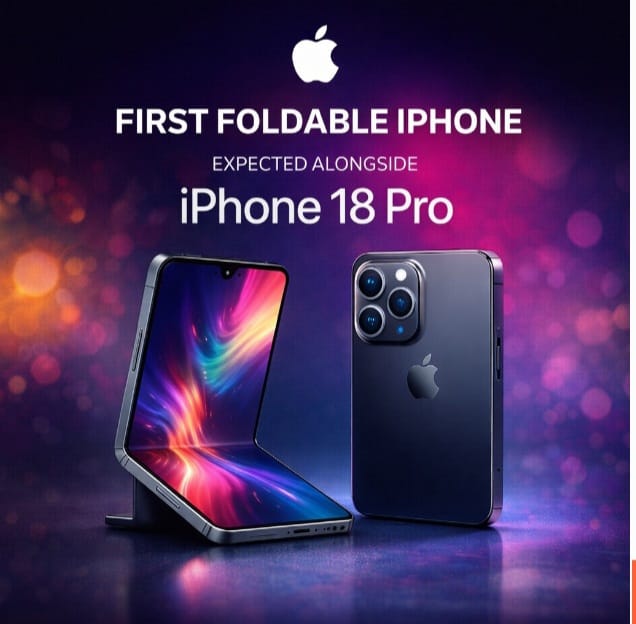
Apple is expected to push its foldable iPhone launch to coincide with the iPhone 18 Pro cycle, indicating a more measured entry into the foldables segment. The move comes after earlier concerns around delays tied to design, durability, and supply chain readiness.
Why it matters
Foldables have remained a niche premium category globally, with players like Samsung driving early adoption. Apple’s entry—timed with a flagship cycle—could mainstream the format, especially in high-value markets like India where premium smartphone growth continues to outpace overall volumes.
The strategic read
Apple’s timing suggests a category validation play rather than a first-mover advantage strategy. By integrating foldables into its flagship lineup, Apple can leverage its ecosystem—hardware, software, and services—to differentiate beyond form factor.
For marketers, this signals a shift in premium tech storytelling: from specs to experience. Foldables introduce new use-cases—multitasking, content consumption, and productivity—that can reshape communication narratives across media.
What this means for the industry
Expect increased competition in the ultra-premium segment, with higher marketing spends, experiential retail, and content-led demos. Brands in adjacent categories—apps, gaming, OTT—will also recalibrate to optimise for foldable interfaces.
Our insight
Apple isn’t entering foldables early—it’s entering when it can redefine the category on its own terms.