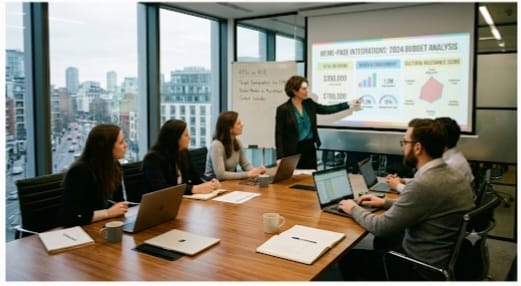
A few years ago, a meme collaboration meant a marketing intern DM-ing a page admin and settling for a shoutout and a few thousand rupees. Today, brands negotiate rate cards, request audience demographics and benchmark engagement before a single joke goes live.
Domestic Market Catching Up With Glibal Trend
Start with the market backdrop. Global influencer marketing was valued at roughly $24 billion in 2024, according to Influencer Marketing Hub, and has kept growing at double-digit rates. India, with one of the world's largest Instagram audiences, has seen creator-led spending expand just as quickly. Meme pages are the most scalable corner of this economy. A single page can reach millions of people daily with content that feels native to the feed rather than interruptive.
Three market forces explain the premium on memes:
• Ad fatigue. Polished brand films are easy to scroll past. Humour that mirrors the language of the feed earns a pause, and often a share.
• Shares over views. Algorithms increasingly reward shares and saves, and memes are among the most shareable formats. For brands, that means organic amplification on top of paid reach.
• Cost efficiency. A meme-page integration typically costs a fraction of a celebrity endorsement or a produced film, while delivering faster turnaround and real-time relevance during cricket matches, film releases or trending moments.
What it looks like in practice
Duolingo turned an irreverent, meme-fluent social voice into a growth engine, building one of the largest brand followings on TikTok. Ryanair leaned into self-deprecating humour to win an audience that traditional airline advertising rarely reaches. In India, Netflix, Zomato, Swiggy and Durex have long treated meme culture as a core brand language, increasingly through paid partnerships with established meme pages rather than only in-house posts.
The planned media play
What has changed is the discipline. Marketers now compare meme pages the way they compare publishers, asking about:
• cost per thousand impressions
• engagement rate against follower count
• audience age and city tier
• share-to-like ratio
• brand-safety history
Agencies bundle meme pages into always-on calendars alongside influencer and OTT spends, rather than treating them as one-off stunts. The rising rates reflect this: pages with proven reach can now command premium, package-based pricing.
What comes next
Expect three developments: performance-linked pricing tied to shares and clicks, consolidation of meme pages into creator networks or media-style collectives, and tighter disclosure norms as regulators scrutinise paid content.
AI-generated memes will also flood feeds, which could make authentic, human-curated humour even more valuable. The risk is overexposure. When every brand tells the same joke in the same template, audiences notice.
The Last Word
Memes work because they borrow attention rather than demand it. The brands that win will treat humour as a media channel with metrics, but a culture with rules. Buying reach is easy, while earning the laugh is not.