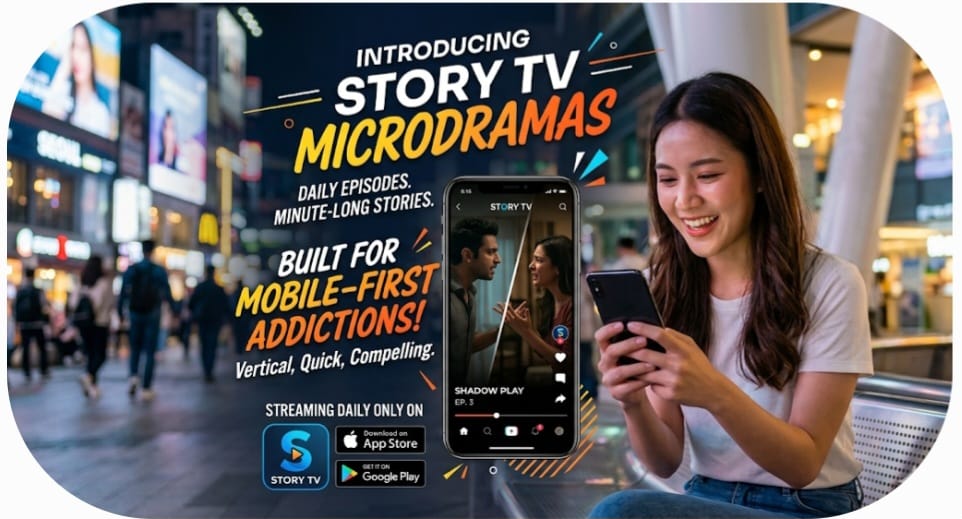
Story TV’s launch of a daily vertical microdrama format reflects a broader shift in how digital entertainment is being packaged for mobile-native audiences. Designed for vertical viewing and short-duration engagement, the format aligns with changing consumption patterns driven by reels, short videos and episodic social content. The move matters because media companies are increasingly adapting storytelling structures to platform behaviour rather than traditional screen formats. Vertical dramas are engineered for smartphone viewing, fast narrative hooks and repeat engagement — all critical metrics in today’s attention economy. Short-Form Storytelling Becomes a Platform Strategy Globally, microdramas have already gained traction across China and parts of Southeast Asia, where serialized mobile-first fiction has emerged as a viable monetisation category through ads, subscriptions and in-app commerce. India’s digital publishers are now beginning to test similar formats as audiences shift further toward snackable entertainment. For Story TV, the daily release model also creates habitual viewing behaviour, similar to how OTT platforms use episodic retention mechanics. Frequent content drops increase opportunities for sponsorship integrations, native placements and contextual advertising. What This Means for Brands and Agencies For advertisers, vertical microdramas open a new branded content layer between influencer reels and long-form OTT storytelling. The format is cheaper to produce than premium streaming content while offering stronger narrative continuity than short-form creator content. Agencies and media planners are likely to explore these formats for youth-focused campaigns, especially in categories such as beauty, fashion, fintech and quick commerce where mobile-first discovery dominates. Our insight The larger industry signal is becoming difficult to ignore: entertainment formats are now being designed around platform ergonomics first, and storytelling second.
Campaigns
Story TV Bets on Vertical Microdramas as Short-Form Viewing Reshapes Digital Entertainment Consumption