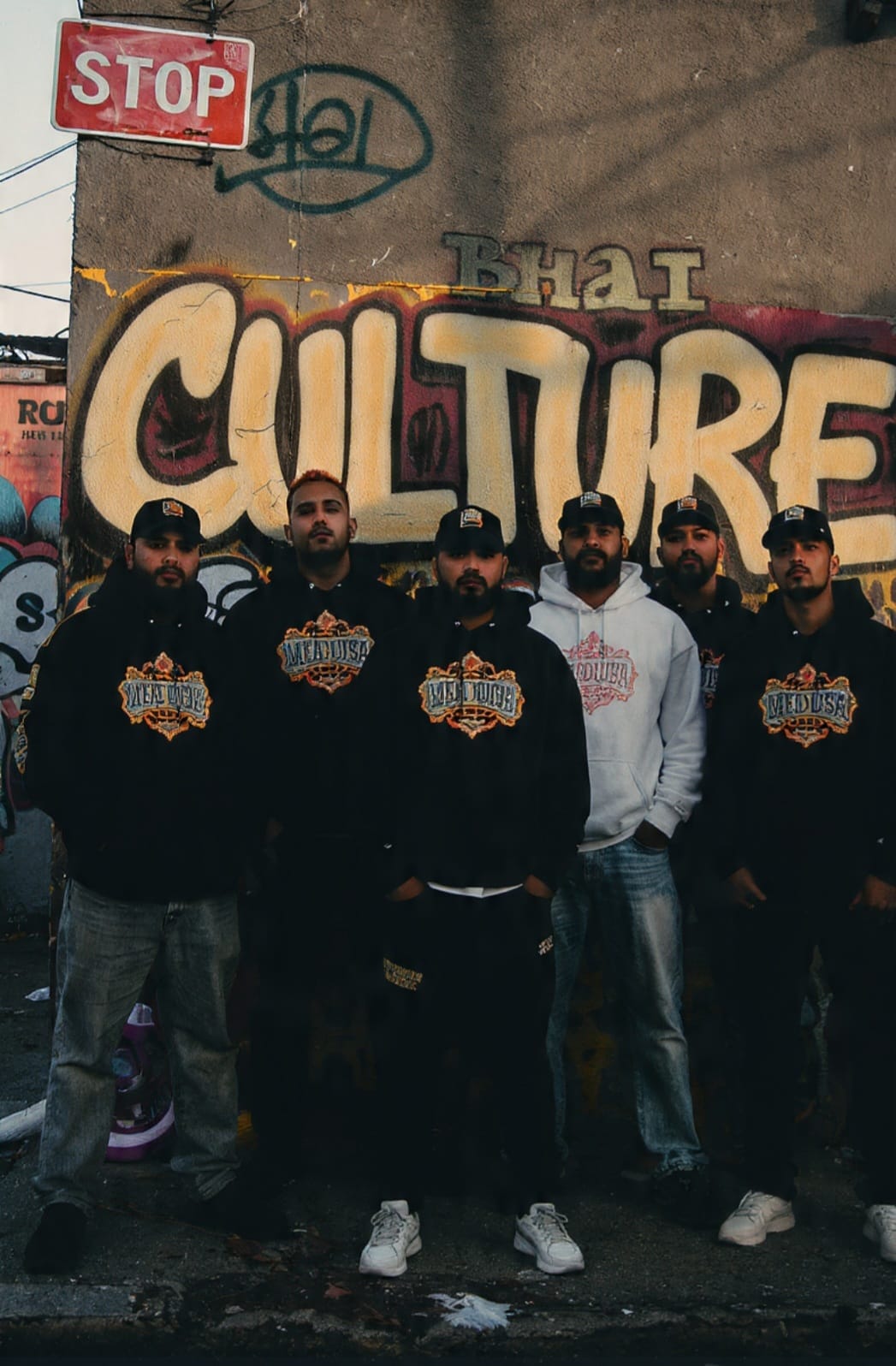
Medusa’s new campaign taps into the language, humour and loyalty codes associated with “bhai culture” — a socially familiar dynamic rooted in friendship circles, local identity and youth-driven internet behaviour. The campaign positions the brand within a culturally recognisable ecosystem rather than relying solely on product-first fashion communication.
The significance lies in how Indian fashion and lifestyle brands are increasingly using community-coded storytelling to drive relevance among Gen Z and younger millennial consumers. Instead of polished aspirational narratives, brands are leaning into meme culture, hyperlocal slang and socially shareable behaviour patterns to improve relatability and organic engagement.
Why This Matters For Youth Marketing
The campaign reflects a wider advertising shift where subcultures are becoming strategic brand assets. Streetwear labels, beverage companies and gaming platforms are increasingly building campaigns around digital communities rather than broad demographic targeting.
For marketers, this approach offers two advantages: stronger audience identification and higher creator-led amplification across short-form video platforms. “Bhai culture” in this context functions less as a trend and more as a shorthand for belonging, loyalty and cultural fluency within online youth ecosystems.
The strategy also highlights how Indian brands are adapting global streetwear marketing playbooks to local internet behaviour and vernacular culture.
The Strategic Read
As digital audiences become harder to engage through traditional aspirational advertising, brands are moving closer to identity-led storytelling frameworks rooted in community participation.
Our insight
The next wave of Indian youth marketing may depend less on celebrity endorsements — and more on whether brands can authentically embed themselves within internet-native cultural codes.