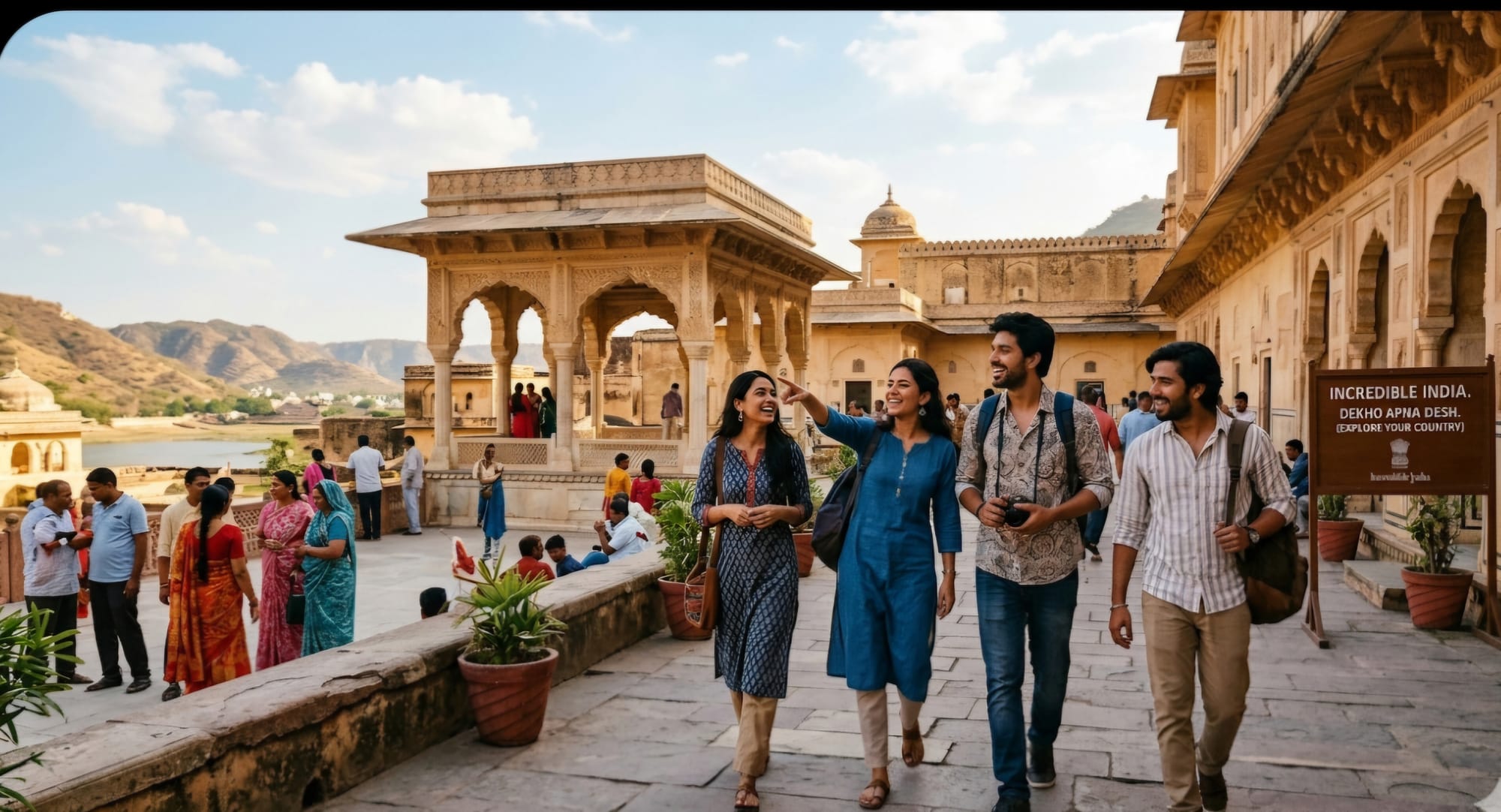
India Tourism is recalibrating its long-running “Incredible India” brand, shifting focus from international inbound promotion to domestic tourism growth. The 2026 strategy places Indian travellers at the centre, with campaigns designed around regional discovery, short-haul travel, and cultural familiarity. This matters because domestic tourism has emerged as the primary demand driver post-pandemic, accounting for the bulk of travel volume. The pivot reflects a structural shift rather than a temporary adjustment.
The strategic play: From global showcase to local relevance
The repositioning moves away from a singular, global-facing narrative to a more fragmented, region-first approach. Instead of showcasing India to the world, the brand is now encouraging Indians to explore India—through hyperlocal content, language customisation, and culturally specific storytelling.
For the advertising ecosystem, this signals:
• Decentralisation of national campaigns into regional narratives • Increased role of state tourism boards and localised media planning The shift also aligns with media consumption trends, where vernacular content and regional platforms are seeing disproportionate growth.
What this means for marketers
Tourism marketing is becoming more data-driven and distribution-sensitive. Shorter travel cycles, increased road trips, and digital-first discovery are shaping campaign formats. Brands will need to build modular creative that adapts across regions rather than rely on one master narrative.
Our insight
“Incredible India” is no longer about attracting the world—it’s about activating India itself.